Frequently Asked Questions
The most-asked questions about epic poetry & myth.
What is epic poetry?
Epic poetry is a long narrative verse that recounts the deeds of heroes, often weaving in gods, monsters, and world-shaping quests. It traditionally blends myth with collective memory and was originally meant to be performed aloud rather than read in silence.
What are the most famous epic poems?
The most widely recognized include Homer's Iliad and Odyssey, the Mesopotamian Epic of Gilgamesh, the Indian Mahabharata and Ramayana, and the Anglo-Saxon Beowulf. The Finnish Kalevala and the West African Sundiata are also major works in the tradition.
Who are the central heroic figures across epics?
Recurring archetypes include the warrior-hero (Achilles, Beowulf), the wanderer who endures trials (Odysseus, Gilgamesh), and the semi-divine champion (Arjuna, Rama). Many epics also feature a trickster figure or a god who intervenes directly in human affairs.
Where should a newcomer start reading epic poetry?
The Odyssey is often recommended first because its episodic, adventure-driven structure makes it an accessible entry point. Beowulf is another strong choice for readers drawn to a single, contained narrative of heroism and monster-slaying.
How does epic poetry differ from lyric poetry or drama?
Epic poetry is narrative in form, far longer than a lyric poem, and centers on a grand action rather than a single emotional moment. It was historically built for oral performance using formulaic phrases, unlike the personal voice of lyric or the dialogue-driven structure of drama.
What are the key structural features of an epic?
Common elements include an invocation of a muse, an in medias res opening, extended similes, formulaic epithets, and catalogues of warriors or ships. The scope typically spans multiple locations and a significant stretch of time.
What are some of the most iconic moments in epic poetry?
Achilles' wrath and his withdrawal from battle in the Iliad, Odysseus blinding the Cyclops, and Gilgamesh's grief over Enkidu's death are among the most frequently cited scenes. The Bhagavad Gita's battlefield dialogue within the Mahabharata is another landmark moment.
Which mythological traditions feed most into epic poetry?
Greek and Roman mythology underpin the Homeric and Virgilian epics, while Vedic and Hindu traditions shape the Mahabharata and Ramayana. Mesopotamian, Norse, West African, and Japanese mythologies each produced their own major epics as well.
How old is the epic poetry tradition?
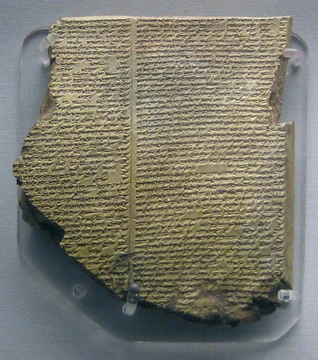
The Epic of Gilgamesh, dating to roughly the third millennium BCE, is the oldest surviving epic, making the tradition over four thousand years old. Homer's works, composed around the eighth century BCE, were the first to be widely preserved in written form in the Western canon.
Are epics still being written today?
Yes—poets such as Derek Walcott (Omeros) and Louise Gluck have composed works that borrow epic structure and mythic resonance for contemporary themes. The tradition also lives on in graphic novels, video games, and films that retell mythic narratives for modern audiences.